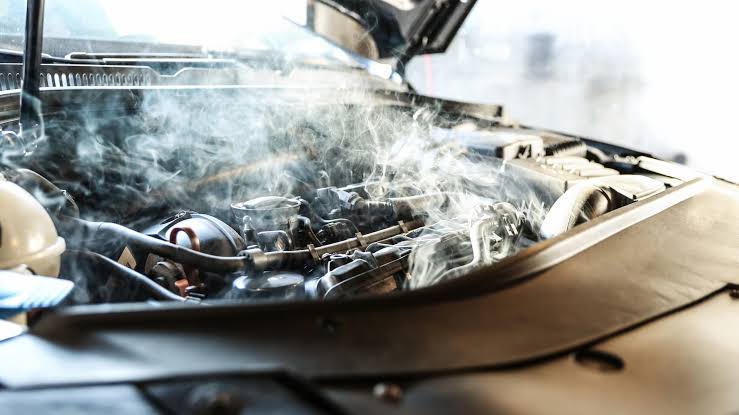

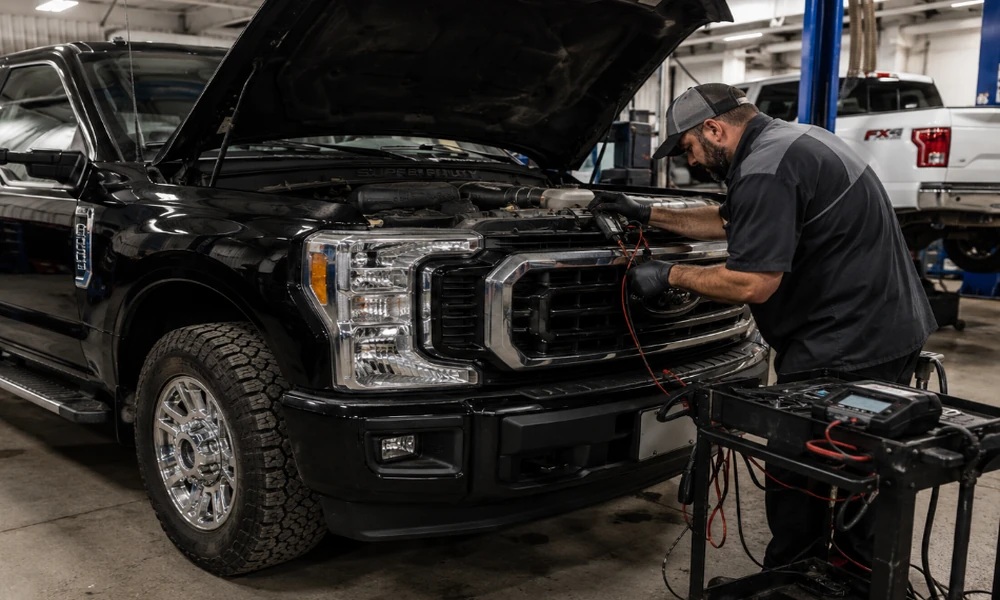
When your diesel truck is part of your workday, an unexpected repair can affect more than your schedule. It can delay jobs, interrupt deliveries, or leave you without the vehicle you depend on.
Choosing a diesel repair shop deserves a little research. You want a team that understands your truck, tests problems carefully, and explains the work before asking for approval.
The right fit comes down to more than price or location. Here is what to look for when comparing shops.
Look for Experience With Your Engine and Model
“Diesel repair” covers a wide range of vehicles. Experience with heavy commercial trucks does not automatically mean a technician regularly works on your pickup, and the reverse is also true.
Ask whether the shop services your truck’s make, model year, and engine. It also helps to describe how you use it, including towing, hauling, long highway trips, or frequent idling.
Relevant training and certifications can support your decision. For example, ASE offers separate certifications for light-vehicle diesel engines and medium- and heavy-truck diesel engines.
Still, a credential is only part of the picture. Ask about the shop’s experience with the specific concern you are bringing in.
Ask How the Shop Diagnoses Problems
A warning light or loss of power is a starting point for testing. It does not identify the failed part by itself.
Depending on the complaint, diagnosis may involve reviewing fault codes and live data, checking fuel pressure, testing electrical circuits, or inspecting the intake and turbo system.
Ask what the initial diagnostic service includes and what it costs. If more testing is needed, the shop should explain why and get your approval before expanding the work.
You can also ask, “What did the testing show, and how does that support the repair?”
A clear answer helps you understand the recommendation without needing to become a diesel technician yourself.
Make Sure Maintenance Matches How You Use the Truck
A useful maintenance plan should reflect the manufacturer’s guidance and your operating conditions.
A truck that spends its days towing, carrying heavy loads, or idling may have different service requirements from one used for lighter driving. Some schedules also account for engine hours, not just mileage.
Ask the shop to connect each recommendation to the applicable schedule, an inspection finding, or a test result.
- Engine oil and filter changes.
- Fuel filter replacement and water-separator service.
- Cooling-system checks and specified coolant service.
- Battery and charging-system testing.
- Transmission and driveline maintenance.
- Brake, tire, and suspension inspections.
- Checks for leaks, damaged hoses, and worn belts.
Avoid choosing a shop simply because it recommends the longest service list. You should understand why each item is due.
Check What the Shop Can Handle On-Site
It can be convenient to use one shop for engine diagnostics, fuel-system work, cooling-system repairs, and routine maintenance. But no shop needs to perform every service to be a good choice.
What matters is knowing its capabilities and limits.
Ask whether specialized work is completed in-house or sent to another provider. This may include injector testing, transmission rebuilding, machining, or certain electronic procedures.
If work is outsourced, clarify who manages it, how it affects the timeline, and who handles any follow-up concern. That conversation is easier before your truck is taken apart.
Expect an Itemized Estimate and Clear Approval Process
Before approving repairs, request a written estimate showing the proposed work, parts, labor, and relevant fees.
For a complex problem, the shop may need paid testing or limited disassembly before it can price the full repair. That is different from asking you to approve an undefined job. The initial scope and cost should still be clear.
Ask how the shop handles additional findings. Agree on when it must contact you before proceeding.
If two estimates differ, compare what they include. A lower total may reflect different parts, fewer services, or work that has not yet been priced.
Ask About Parts and Warranty Coverage
Find out whether the proposed parts are new, remanufactured, or used, and why the shop recommends them.
Then ask for the repair warranty in writing. Confirm whether it covers parts, labor, or both, along with any time or mileage limits.
You should also know whom to contact if the original symptom returns.
A confident explanation is helpful, but written terms give you something concrete to refer to after the repair.
Look for Realistic Scheduling and Regular Updates
When your truck earns its keep, downtime matters. Ask when the shop can begin diagnosis, rather than only when you can drop it off.
The final repair timeline may depend on testing, parts availability, or outside services. A careful shop may not be able to promise a completion date before it knows what is wrong.
It should, however, explain the next step and tell you when to expect an update.
Agree on a contact method and one person who can authorize work. That helps avoid missed calls and delays once the truck is in the bay.
Read Reviews for Relevant Patterns
Look for reviews from owners of similar diesel vehicles. Pay attention to comments about communication, diagnosis, repair outcomes, and how the shop handles problems afterward.
A single review rarely tells the whole story. Repeated concerns about unexplained charges or the same unresolved symptom deserve more attention.
Recommendations from other truck owners can help, too. Ask what repair they needed and whether the shop kept them informed.
Choose a Shop That Explains the Work
A trustworthy diesel repair shop should help you understand the problem, the proposed solution, and the cost. It should also recognize when more testing is needed instead of offering certainty too early.
Before booking, compare experience with your engine, diagnostic capability, maintenance support, and written repair terms. Notice whether the staff listens when you describe the truck’s symptoms and workload.
The goal is to find a shop you can work with over time, one that gives you clear information and treats your truck’s reliability as a priority.
This post was written by a professional at Kepkee’s Diesel & Performance. Kepkee’s Diesel & Performance is a full-service diesel repair company in Largo, Florida, specializing in automotive engine repairs, diagnostics, maintenance, transmission work, and performance upgrades. For drivers searching for Diesel Engine Repair Service in Clearwater, FL, our team provides dependable support throughout Pinellas County. As one of the leading diesel repair companies near you, we offer expert guidance and reliable solutions, making us a trusted choice for diesel repair near you focused on quality, value, and performance.