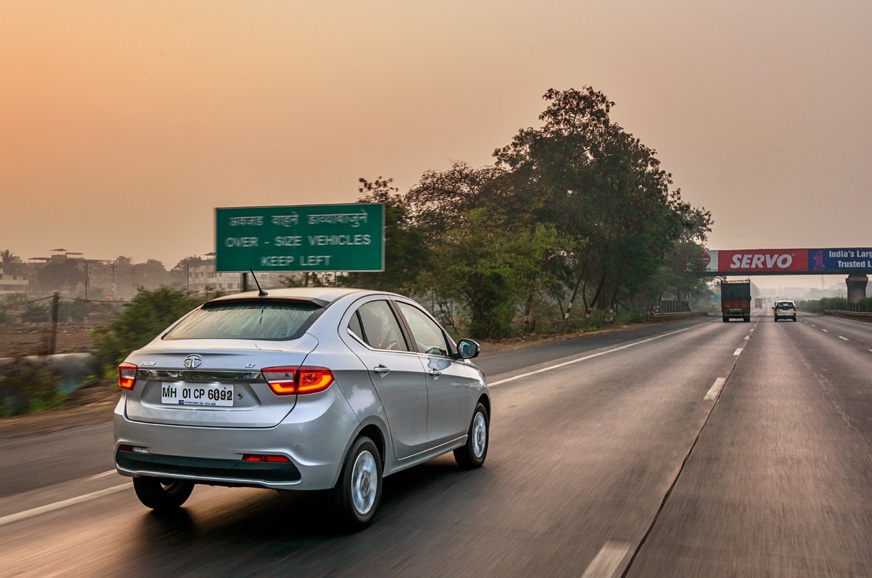


Image Recommendation: A clean, newer-model private hire car parked outside a rental office, keys being handed over to a driver.
The vocational licence is sorted, the Grab or Gojek driver account is approved, and now there’s exactly one thing standing between deciding to drive private hire and actually earning from it: the car. Buying one outright ties up capital most new drivers would rather keep free, which is exactly why renting has become the default route into private hire driving in Singapore. What that rental actually involves, though, is worth understanding properly before signing anything.
What You Need Before a Rental Company Will Even Consider You
- At least 22 years old
- A valid Singapore Class 3 or 3A driving licence, held for a minimum of two years
- A Private Hire Car Driver’s Vocational Licence (PDVL) issued by the Land Transport Authority
The PDVL in particular catches out a fair number of first-time applicants who assume a regular licence is enough. It isn’t, and most rental providers will ask to see it before finalising any paperwork, since renting to an unlicensed driver creates liability for the company as much as the driver.
What a Car Rental for Private Hire in Singapore Actually Includes
A properly structured car rental for private hire in Singapore is meant to function as a package, not just a set of keys. That typically means comprehensive insurance, road tax, and scheduled servicing bundled into the rental rate, along with maintenance coverage so a mechanical issue doesn’t come out of the driver’s own pocket. Providers built specifically around private hire driving often add 24/7 roadside assistance and a fast servicing turnaround, since every hour a car sits in a workshop is an hour a driver isn’t earning.
Rates vary by model and contract length, but a fuel-efficient model can start from roughly $85 a day inclusive of GST, with longer contracts sometimes bundling in free rental days, cashback, or a fuel discount. Promotional terms like these tend to change frequently, so it’s worth confirming exactly what’s current before comparing two quotes side by side.
Matching the Car to How You Actually Drive
| Vehicle Type | Examples | Best Suited For |
| Fuel-efficient sedan/MPV | Toyota Prius Plus, Toyota Sienta, Honda Vezel | Drivers prioritising lower fuel costs on high-mileage days |
| Larger MPV | Kia Carnival, Toyota Noah | Drivers taking on larger group bookings or airport runs |
A driver doing short, frequent trips around town gets more value from a fuel-efficient model than from a larger MPV that burns more petrol per kilometre. Someone regularly taking on group bookings or airport transfers, on the other hand, is better served by the extra seating and boot space a larger vehicle provides, even at a slightly higher daily rate.
Daily, Weekly, or a Longer Contract
Most providers offer daily, weekly, and longer-term leasing side by side, which matters because the right choice depends on how certain a driver is about sticking with private hire long-term. Daily and weekly rentals suit someone still testing whether the schedule and income actually work for them, while a longer contract usually brings the effective daily rate down noticeably, along with added perks that shorter rentals don’t typically include, such as a dedicated point of contact for account issues or a referral incentive for bringing in other drivers.
Questions Worth Asking Before Signing Anything
A few details separate a genuinely complete rental package from one that looks similar on paper but leaves gaps later. Is the insurance coverage comprehensive or a more limited third-party plan? What exactly counts as normal wear and tear versus damage the driver is billed for at the end of the contract? And is there a real point of contact to call if the car breaks down at 11 pm on a Friday, rather than a generic hotline that takes hours to respond? None of these questions is awkward to ask, and a provider used to working with private hire drivers specifically should have straightforward answers to all three.
None of this needs to be complicated once the basics are sorted: the right licences in hand, a rental package that actually covers insurance and upkeep rather than just the car itself, and a vehicle matched to the kind of driving actually being done.
To check current rates and available models for your driving needs, Contact Ecube Vehicle Rental and speak with their team directly.