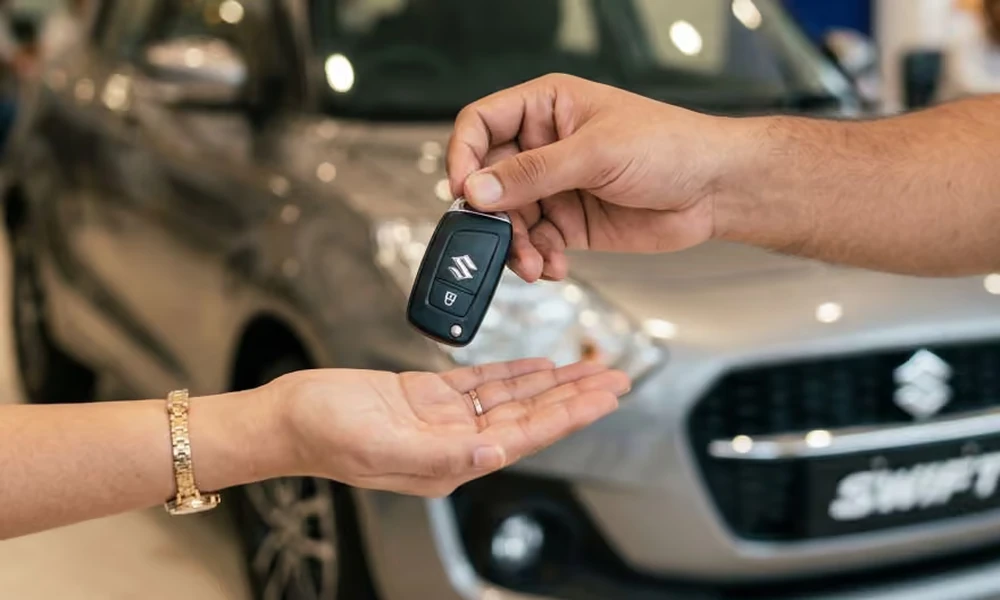

Leasing a used car lowers the monthly payment, while buying one builds ownership. Used car leases are less common than new car leases, but some leasing companies offer them on cars a few years old. Buyers weighing used cars in houston or elsewhere may see both options from the same company. The better choice depends mostly on how long the car will be kept and how far it will be driven.
How Buying Differs
Buying means paying the full price, either in cash or with a loan. Once the loan is paid off, the owner keeps the car with no further payments. There are no mileage limits and no wear charges at the end.
The monthly loan payment is usually higher than a lease payment on the same car. In exchange, every payment builds equity, which is the share of the car’s value the owner truly owns.
The Two Options Side by Side
For a buyer comparing used cars in houston, the main differences look like this.
| Factor | Used car lease | Buying used |
|---|---|---|
| Monthly payment | Usually lower | Usually higher |
| Ownership | None unless bought at the end | Full ownership once paid off |
| Mileage | Limited by contract | No limit |
| Wear and damage | Charges possible at return | Affects resale value only |
| Customizing | Usually restricted | Allowed |
| End of term | Return, buy or lease again | Keep, sell or trade in |
| Long term cost | Higher if leasing again and again | Lower if kept for years |
Who Tends to Benefit From Leasing Used?
Leasing a used car suits drivers who want a lower payment and expect to change cars every few years. It also suits drivers who want a newer used car without a large down payment. Business owners sometimes lease for tax reasons, which an accountant can confirm.
Signs that leasing may fit include the following.
- Predictable yearly mileage within the lease limit
- Plans to change cars within two to four years
- Preference for a lower monthly payment over ownership
- Little interest in modifying the car
- Steady income to qualify for the lease
Who Tends to Benefit From Buying?
Buying usually suits drivers who keep cars for many years. After the loan ends, the cost of driving drops sharply. Drivers with long commutes also gain, since there is no mileage cap.
Signs that buying may fit include the following.
- High or unpredictable yearly mileage
- Plans to keep the car for five years or more
- A wish to build equity for a future trade in
- Pets, children or work use that cause extra wear
- Interest in adding parts or accessories
Costs Worth Checking in Either Case
A lease contract should show the car’s agreed value, the residual value, the finance charge and all fees. The residual value is the price set for the car at lease end. A loan offer should show the rate, the term and the total interest. Comparing the total paid over the same number of years gives a fair picture of both.