
In industries where every mile impacts margins, fuel management has emerged as one of the most controllable and cost-sensitive aspects of fleet operations. CITGO studies show that for businesses that rely on vehicles, such as HVAC, logistics, construction, and delivery services, fuel expenses can represent up to 30% of total operating costs. Yet, many businesses overlook the powerful tools and strategies available to lower those costs systematically.
This comprehensive guide explores how small- and mid-sized businesses can optimize their fuel expenses using fleet cards, GPS tracking, route planning, data analytics, and proactive driver coaching. Through effective fleet management, businesses can move from reactive spending to strategic savings.
Why Fuel Is the First Place to Look for Savings
Fuel prices fluctuate due to global supply chains, seasonal demand, and economic pressures. While price volatility is out of a company’s control, usage, spending behavior, and purchasing practices are not.
Consider this
A poorly optimized fleet wastes fuel through:
Unmonitored fill-ups
Detours and redundant routing
Driver habits such as idling, speeding, or unnecessary acceleration
Lack of integration between operational data systems
Without active monitoring and management, these small inefficiencies compound across every vehicle, every week. Over time, businesses lose tens of thousands of dollars in unnecessary expenses.
Fuel Cards
The Foundation of Cost Control
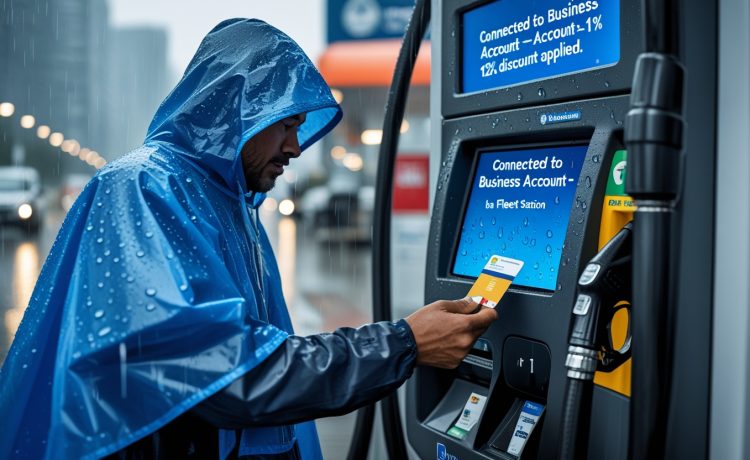
Fleet fuel cards are more than a payment method. They are the infrastructure for cost visibility and purchasing control. Accepted at over 95% of fuel stations nationwide, fleet cards offer key features that reduce fuel waste and enable proactive expense management:
Custom spending limits by driver, day, location, or fuel type
PIN verification and vehicle ID tags
Fuel-only restrictions (no snacks or services)
Real-time transaction tracking and alerts
Integration with GPS and accounting platforms
These controls transform every fill-up into a data point. Instead of reimbursing paper receipts or relying on self-reported mileage, companies know exactly where, when, and what was purchased. This visibility eliminates fraud, improves budgeting, and simplifies reconciliation.
Fleet card data also enables high-level analysis, allowing companies to identify patterns in fuel usage and benchmark performance across teams, locations, or timeframes.
GPS Integration
Aligning Fuel Use with Activity
The real power of fleet card emerge when paired with GPS and telematics. By integrating vehicle tracking with fuel transactions, businesses can:
Confirm whether a vehicle was at the fueling location
Compare tank capacity with fuel volume
Match mileage driven with fuel consumed
This creates a three-way verification loop: route, distance, and transaction. Any mismatch reveals possible fraud, unauthorized usage, or vehicle inefficiency.
Advanced platforms go further by combining GPS with engine diagnostics, idle tracking, and driver behavior analysis. For example, if a driver repeatedly idles for 20 minutes per stop, the system can calculate wasted gallons and issue coaching recommendations.
GPS-linked fuel data also improves route planning. Dispatchers can identify optimal fill-up locations with lower pricing or avoid congested areas that waste fuel in traffic.
Route Optimization and Planning
Inefficient routing is one of the largest contributors to excess fuel spending. Without proper route planning, vehicles may:
Drive extra miles unnecessarily
Repeat the same routes multiple times a day
Encounter known traffic hotspots or construction delays
Route optimization software helps businesses plan efficient paths based on vehicle type, delivery window, road restrictions, and fuel station availability. By reducing total miles driven and minimizing idle time, companies can slash fuel use by up to 15%, according to Fleet Management Weekly.
Case in point
A plumbing service operating in a major metro area implemented route planning tools and cut down weekly fuel costs by $850, simply by avoiding peak traffic windows and unnecessary detours WEXcard.
Driver Behavior
The Human Factor in Fuel Efficiency
Vehicle technology matters, but drivers ultimately control how fuel is consumed. Aggressive acceleration, excessive braking, prolonged idling, and even air conditioner usage can significantly degrade fuel efficiency.
Businesses that use telematics and fleet cards to monitor driver behavior can:
Track MPG by vehicle and route
Identify outlier drivers who burn more fuel
Deliver targeted training and rewards for efficient driving
Reduce insurance premiums through safer driving records
Driver scorecards often generate surprising insights. One HVAC company discovered that its top-performing drivers were using 17% less fuel per job than their counterparts. With coaching and incentives, they raised fleet-wide efficiency by 9% in just three months.
Preventing Fuel Theft and Unauthorized Usage
Fuel theft, though often difficult to detect, remains a common issue in field-based businesses. Drivers may fill personal vehicles, share cards with others, or over-report mileage for reimbursement.
Fleet cards solve this problem through
Card-to-driver assignments
Limits on gallons per fill-up
Time-of-day or geography-based restrictions
Alerts for back-to-back transactions or unusual patterns
When combined with GPS verification and real-time reporting, these controls virtually eliminate unauthorized fuel use.
For example, a landscaping firm uncovered over $6,000 in stolen fuel per quarter by analyzing transaction data and implementing GPS-linked card controls.
Maintenance as a Fuel Cost Strategy
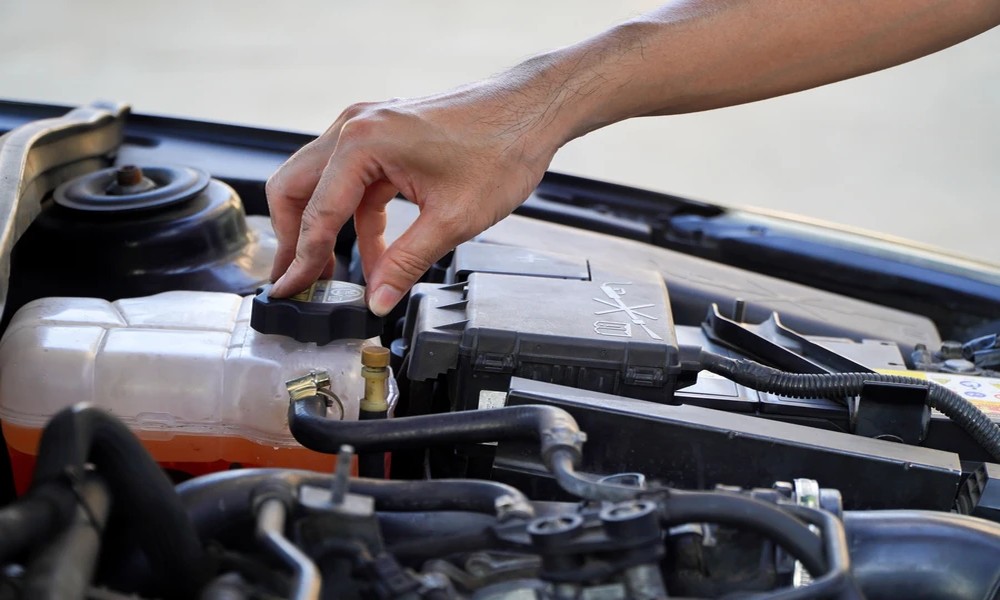
Routine vehicle maintenance directly impacts fuel economy. Neglected maintenance, such as underinflated tires, dirty air filters, or failing spark plugs, forces engines to work harder and burn more fuel.
Fleet managers should integrate fuel data with vehicle diagnostics to:
Monitor sudden drops in MPG
Identify vehicles due for service
Compare vehicle age with fuel performance
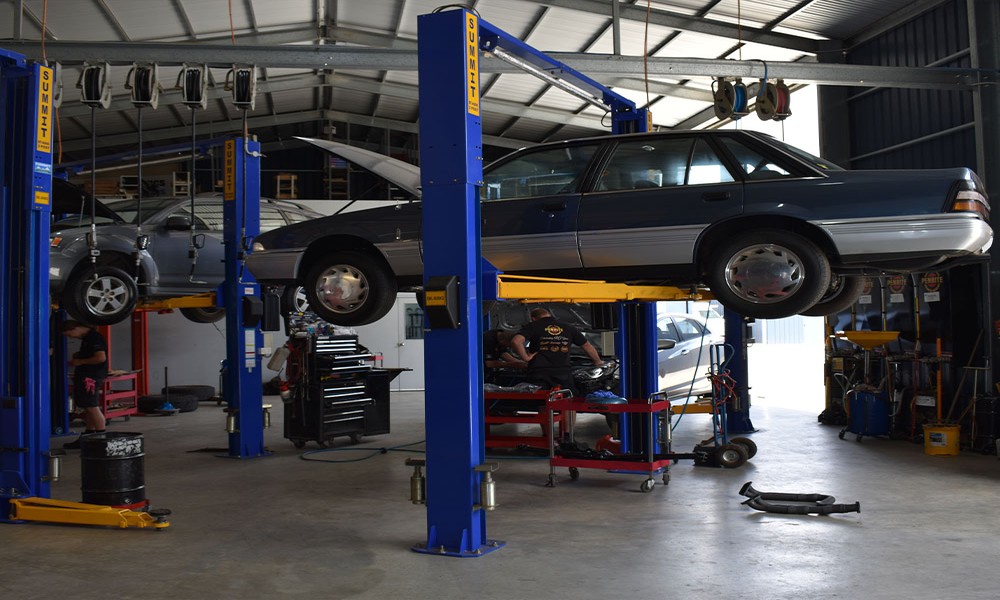
Proactive maintenance planning, aided by data from fleet cards and GPS, ensures that vehicles operate at peak efficiency. Over time, this strategy lowers both fuel and repair expenses.
Fuel Rebates and Vendor Negotiations
Many fuel card programs offer rebates per gallon or volume discounts at participating gas stations. Companies that consolidate their purchases within a network can leverage volume to negotiate better rates or earn quarterly rebates.
By analyzing purchasing trends and identifying the most frequently used stations, businesses can:
Prioritize high-rebate locations
Encourage drivers to use specific vendors
Track rebate earnings and cost avoidance
Over time, these rebates add up. A delivery company using a national fuel card program earned $18,000 in rebates in a single fiscal year, funds they reinvested into driver bonuses and vehicle upgrades.
Fuel Management KPIs and Benchmarking
Once data flows through fleet fuel cards, GPS, and reporting tools, businesses can define KPIs to measure progress and identify outliers. Examples include:
Average fuel cost per mile
Gallons per job or per driver
Fuel cost as a percentage of revenue
Idling time per day per vehicle
Regularly tracking these metrics allows companies to set goals, compare team performance, and make informed decisions about asset utilization or route redesigns. Fleet software platforms often include dashboards to automate this analysis.
Where Fleets Waste the Most Fuel
Each of these categories represents an opportunity to reclaim costs and improve performance.
Moving Toward a Holistic Fuel Strategy
Businesses that approach fuel management as a strategic initiative, not just an operational necessity, achieve better financial control, reduced waste, and improved scalability. The key pillars of an effective strategy include:
Fuel cards for control and data
Telematics for location and driver insights
Analytics for trend identification
Training for continuous improvement
Maintenance tracking to preserve efficiency
Vendor leverage to earn back savings
When these components are integrated and customized to fleet size, location, and business type, companies build long-term resilience and financial agility.
Fuel Efficiency as a Competitive Advantage
In a volatile economic environment, the ability to consistently reduce and control costs is a competitive differentiator. Businesses that embrace modern fuel management practices enjoy:
Lower operational overhead
Higher employee accountability
Better resource forecasting
Fewer compliance issues and audits
Enhanced environmental impact through lower emissions
From the jobsite to the back office, optimized fuel spend benefits everyone, drivers, dispatchers, finance teams, and ultimately, customers.
Drive Smarter
Make Fuel Management a Priority
Smart fuel management is about more than filling tanks, it’s about filling gaps in visibility, accountability, and strategy. By leveraging the latest in fleet cards, tracking systems, and analytics tools, small and mid-sized businesses can eliminate waste, prevent fraud, and operate with confidence.
Incorporating these tools into daily operations doesn’t just save money, it builds a smarter, more agile fleet capable of scaling sustainably. In a business landscape where margins are razor-thin, the companies that control their fuel control their future.