
Getting new tires should make your car feel safer, smoother, and more stable. So when your car starts pulling to one side right after a new tire installation, it can feel confusing. You may think, “Did something go wrong?” And honestly, sometimes yes, something may need to be checked. But it does not always mean the tires are bad.
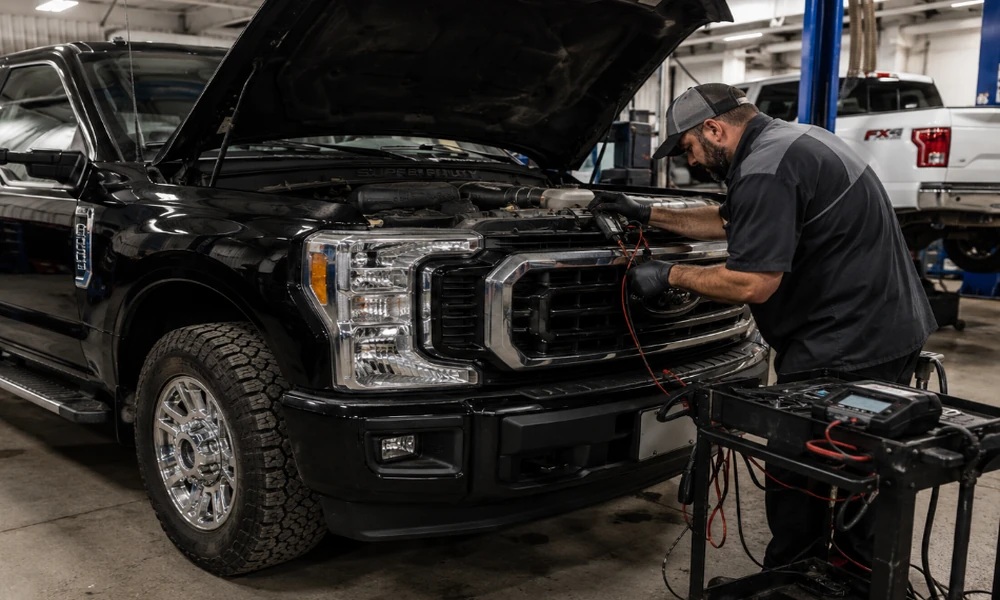
A car pulling left or right after new tires can happen for several reasons. It may be an alignment issue, tire pressure problem, tire defect, suspension wear, brake drag, or even the way the tires were installed. The important thing is not to ignore it. A pull can make driving uncomfortable, wear out your new tires faster, and create safety concerns.
Here are the most common reasons your car may pull to one side after getting new tires.
1. Your Wheel Alignment May Be Off
Wheel alignment is one of the most common reasons a car pulls to one side. Alignment controls the angle of your wheels and how they meet the road. If the angles are not correct, the car may drift left or right even when the steering wheel is straight.
New tires can sometimes make an old alignment problem more noticeable. Your old tires may have worn unevenly over time and sort of “masked” the issue. Once new tires are installed, the car may feel different right away.
Signs of poor alignment include:
- Car pulls to one side
- Steering wheel is off-center
- Uneven tire wear
- Car feels unstable at higher speeds
- Tires squeal when turning
If your car pulls after new tires, an alignment check is one of the first things to consider. It helps protect your new tires and improves handling.
2. Tire Pressure May Not Be Even
Uneven tire pressure can also cause pulling. If one front tire has less air than the other, it can create more rolling resistance on that side. The car may then pull toward the tire with lower pressure.
This is a simple issue, but it happens more often than people think. After installation, tire pressure should be checked and adjusted based on the vehicle’s recommended PSI. This number is usually found on a sticker inside the driver’s door area, not just on the tire sidewall.
If your car pulls slightly after new tires, check the tire pressure first. It is quick, easy, and may solve the problem.
3. The Tires May Need To Be Rebalanced
Tire balancing is different from alignment. Balancing makes sure the tire and wheel spin evenly. If a tire is not balanced correctly, you may feel vibration, shaking, or uneven road feel.
Balancing usually causes vibration more than pulling, but in some cases, an imbalance can contribute to handling problems. You may notice the steering wheel shakes at certain speeds, or the car feels less smooth than before.
If the pull comes with vibration, ask for the tire balance to be checked again.
4. Tire Conicity May Be Causing The Pull
This one sounds technical, but the idea is simple. Tire conicity happens when a tire is shaped slightly like a cone instead of rolling perfectly straight. This can cause the car to pull to one side.
Even new tires can sometimes have this issue. It does not always mean the tire looks obviously damaged. The tire may look normal but still create a pull while driving.
A common way to test this is by swapping the front tires from side to side. If the pull changes direction, the issue may be related to one of the tires.
This is why it helps to return to the shop that installed the tires if the pull started immediately after installation. They can inspect, rotate, or swap the tires to help identify the cause.
5. The Tires May Not Match Properly
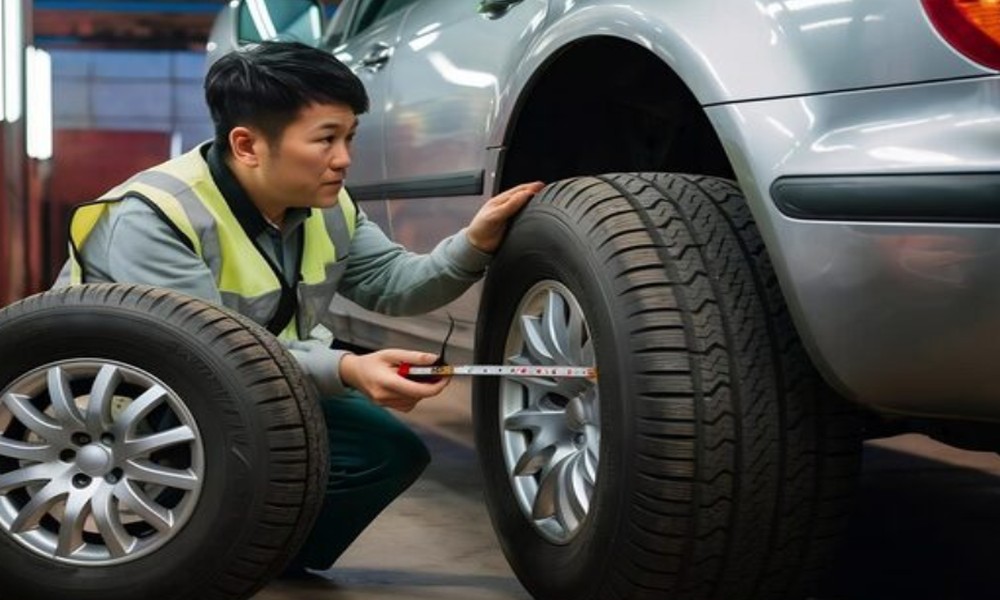
Your car should have matching tires on the same axle. If the front tires are different brands, tread patterns, sizes, or wear levels, the car may pull or feel uneven.
This can happen if only one or two tires were replaced instead of all four. A new tire paired with an older worn tire may not roll the same way. The difference in tread depth can affect handling.
For best results, tires should be matched by size, type, and tread design. If you only replace two tires, they are usually installed on the rear for better stability, depending on the vehicle and tire condition. But the full setup should still be checked.
6. Suspension Parts May Be Worn
Sometimes new tires reveal problems that were already there. Worn suspension parts can cause pulling, drifting, clunking, or uneven tire wear.
Common worn parts include:
- Ball joints
- Tie rods
- Control arms
- Bushings
- Struts
- Shocks
- Wheel bearings
If these parts are loose or worn, the wheels may not stay in the correct position while driving. This can make the car pull, even after the tires are new.
If your car has high mileage or you have been hearing noises over bumps, suspension should be inspected. An alignment may not hold properly if worn parts are not fixed first.
7. A Brake Could Be Dragging
A stuck or dragging brake can make your car pull to one side. This happens when one brake caliper does not release fully, causing that wheel to slow down more than the others.
Signs of brake drag include:
- Pulling to one side while driving
- Burning smell near a wheel
- One wheel feels hotter than the others
- Car feels sluggish
- Uneven brake pad wear
- Pulling gets worse when braking
This is a safety issue and should be checked quickly. A dragging brake can damage the brake system and overheat the wheel area.
8. Road Crown Can Make Pulling Feel Worse
Not every pull is caused by the car. Some roads are slightly sloped to help water drain. This is called road crown. Because of that slope, a car may drift slightly to the right or left depending on the road.
But road crown should only cause a mild drift, not a strong pull. If your car pulls on most roads, including flat roads, then the issue is likely with the vehicle or tires.
9. The Installation Should Be Rechecked
Sometimes the issue is simple. A tire may not be seated correctly. A wheel may not be torqued evenly. The wrong tire pressure may have been used. A tire rotation pattern may have changed how the vehicle feels.
If the pull started right after the new tire installation, go back and have the work checked. That does not mean anyone did something terrible. Small adjustments are sometimes needed.
A proper recheck may include:
Final Thoughts
If your car pulls to one side after new tire installation, do not ignore it. The cause may be simple, like low tire pressure, or more involved, like alignment, suspension wear, tire conicity, or brake drag.
Start with the basics. Check tire pressure. Make sure the tires match. Have the balance and alignment inspected. If the pull is strong, sudden, or comes with vibration, heat, noise, or braking issues, get it checked as soon as possible.
New tires are an investment. A quick inspection can protect them, improve safety, and help your car drive the way it should.
This post was written by a professional at Tires2Go Florida. Tires2Go Florida is a trusted automotive service center located in Pinellas Park, Florida, serving drivers across St. Petersburg, Tampa, Clearwater, and Largo. Our certified mechanics handle tire and wheel replacement, brake service, suspension repairs, oil changes, wheel alignments, tire balancing, and road force balancing. We also specialize in ADAS calibration, suspension modifications, lift kits, and lowering kits using quality parts and modern diagnostic equipment. From routine maintenance to advanced automotive services, Tires2Go Florida provides dependable solutions and buy tires online for vehicles throughout the Tampa Bay area.