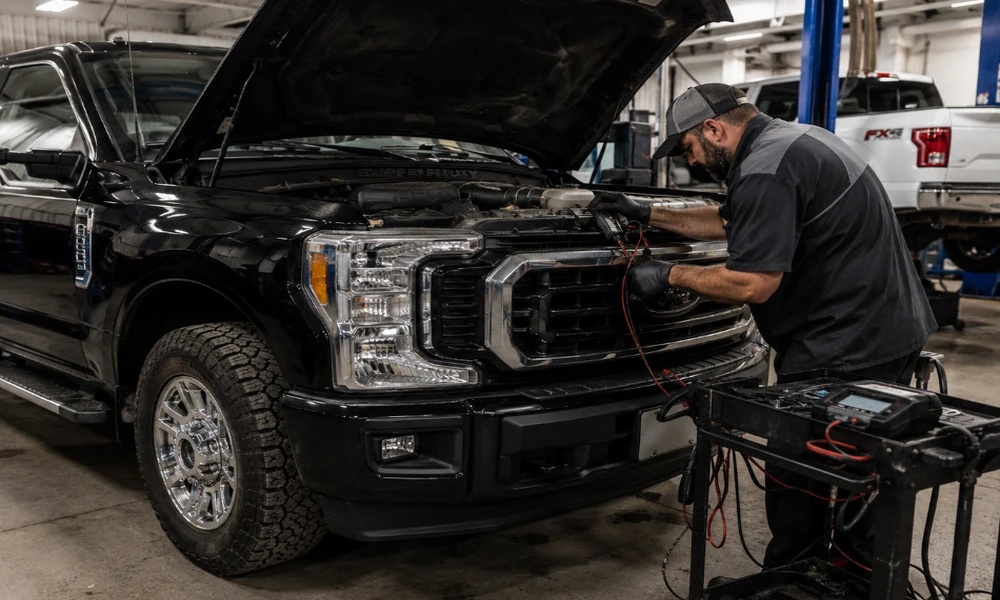


Every delivery route, job site visit, or service call depends on a dependable work vehicle. Getting that vehicle on the road raises one costly decision for owners. Paying upfront ties up savings, while a lease spreads costs across monthly bills. Firms weighing commercial leasing in austin often compare both routes before committing to either one. The right answer depends on mileage, growth plans plus available funds. A clear comparison keeps money working where your company needs it most.
Monthly Payments Tell One Story
Lease payments usually run lower than loan payments on the same vehicle. You pay for the value used during the term rather than the full price. Down payments also tend to be smaller or sometimes waived entirely. That leaves more money for payroll, fuel, or new equipment.
Ownership Builds Lasting Equity
Owning means every payment builds equity in an asset you keep. Once the loan ends, the vehicle keeps working without a monthly bill. Well-maintained work vehicles often stay useful for many years. Resale value can later fund a replacement or an upgrade.
Points To Weigh Before Signing
Each company runs differently, so no single answer suits everyone. These questions narrow the choice before any paperwork begins.
- Estimate yearly miles each vehicle will realistically cover on routes.
- Check current savings to see if a down payment fits comfortably.
- Consider upgrading every few years to keep newer safety features.
- Review credit history since lenders set approval terms on it.
- Ask about upfitting rules for shelving, racks, or custom bodies.
- Compare insurance requirements because leased units often need higher coverage.
- Factor in maintenance budgets for older owned units over time.
- Speak with an accountant about deductions before signing any agreement.
Tax Treatment Differs By Option
Lease payments on qualifying agreements are often deductible as operating expenses. Purchased vehicles may qualify for depreciation write-offs instead. Federal rules changed in 2025, restoring full first-year deductions for many equipment purchases. A tax professional can confirm which option lowers your bill this year.
What Happens When A Lease Term Finally Ends?
Most agreements give three choices at term end. You can return the vehicle, buy it at the agreed residual price, or swap into a newer model. Returning it usually involves an inspection for excess wear. Charges may apply for damage beyond normal use.
TRAC agreements work a little differently. They set a residual value at signing that later gets compared with the actual sale price. If the vehicle sells for more, you may receive the difference. If it sells for less, you cover the gap. Unlimited mileage versions of these agreements remove per mile penalties completely.
Mileage Limits Shape Daily Routes
Standard consumer leases often cap yearly miles, which suits very few work routes. Owners comparing commercial leasing in austin should ask whether unlimited mileage terms are offered. Long hauls across Central Texas can otherwise trigger steep overage fees.
Comparing Both Options Side by Side
Each route carries clear trade-offs in cost, control plus flexibility. Leases favor predictable monthly budgets. Ownership favors long-term savings for fleets with heavy use. The table lays out the main differences.
Owner Questions FAQ Answered Briefly
- Do leased work vehicles need special insurance? Most agreements require higher liability limits plus gap coverage for protection.
- May I add shelving or racks to a leased van? Usually yes, though approval terms depend on the specific agreement.
- Does a lease affect company credit? Timely payments can strengthen your company’s credit history over the term.
- What if my company closes before the term ends? Early exits often bring fees, so read termination terms carefully.
- Are used work vehicles worth purchasing? They cost less upfront but may need more frequent repairs later.
- Who handles maintenance on a leased vehicle? Usually the lessee, unless a maintenance plan gets added.
Steady Choices Beat Perfect Timing
No single option suits all fleets forever. Track miles driven, repair expenses plus resale prices for each unit yearly. Use those numbers to revisit the choice whenever contracts renew. Consistent record-keeping matters more than predicting the perfect moment. Act on solid figures today, then adjust as conditions change.