
Early Beginnings of Performance Culture
The story of muscle cars is one of speed, power, and cultural identity. What began as a pursuit of performance on racetracks eventually found its way into everyday garages, shaping the automotive world in a way few trends ever have. Muscle cars were never just about transportation but represented freedom, rebellion, and raw engineering ambition. This enduring legacy also explains why classic muscle cars are making a comeback, as modern enthusiasts rediscover their timeless appeal and unmatched driving experience.
The roots of muscle car dominance can be traced back to the late 1940s and 1950s, when American automakers began experimenting with high-performance engines. However, it was during the 1960s that the muscle car truly emerged as a distinct category. Automakers recognised a growing demand among younger drivers for cars that combined affordability with high horsepower. This led to the creation of iconic models like the Ford Mustang, which changed the market with its sporty design and accessible price.
Rise of Iconic Muscle Cars
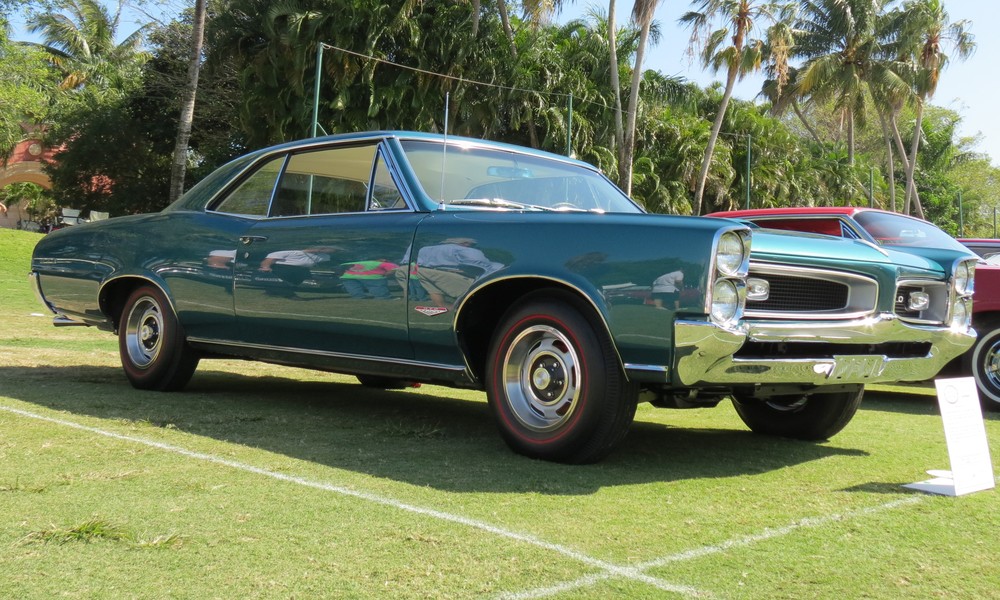
As competition increased, manufacturers began pushing the limits of performance. The introduction of vehicles such as the Chevrolet Camaro and the Dodge Charger marked a turning point in automotive history. These cars featured powerful V8 engines capable of delivering strong acceleration and impressive top speeds that appealed to both racers and enthusiasts.
The racetrack became a testing ground where brands competed not only for victories but also for recognition. Success on the track often translates into popularity on the streets, making these cars highly desirable among the public.
Cultural Impact and Popularity
Muscle cars quickly became closely tied to American culture. They appeared in movies, music, and television, strengthening their image as symbols of independence and strength. Their bold styling, loud engine sounds, and high performance made them stand out in a rapidly changing automotive environment. Owning a muscle car was not just about driving but about expressing identity and attitude.
Challenges in the 1970s
The dominance of muscle cars faced major challenges in the 1970s. Rising fuel prices, stricter emissions laws, and higher insurance costs forced manufacturers to reduce performance levels. During this time, efficiency and practicality became more important than speed and power. As a result, the golden era of muscle cars began to decline, and many believed their popularity would disappear.
Revival and Modern Era
Despite these setbacks, muscle cars made a strong comeback. By the late 1990s and early 2000s, interest in high-performance vehicles returned. Advances in technology allowed manufacturers to produce cars that balanced power with better efficiency and safety.
Modern versions of classics like the Ford Mustang and the Dodge Challenger revived the spirit of earlier models while adding modern features such as improved safety systems and advanced electronics.
Enduring Legacy
Today, muscle cars continue to hold a special place in automotive history. They remind us of a time when passion for speed drove innovation and creativity. From racetracks to personal garages, their journey reflects the evolving relationship between technology, culture, and the human desire for performance.
In the end, muscle cars remain powerful symbols of ambition and creativity, showing that the excitement of speed and performance continues to inspire generations.