
Highways and roads are essential for daily travel, but they can also be dangerous if drivers encounter unexpected obstacles or accidents. Over the years, engineers and safety experts have introduced various measures to reduce injuries and fatalities on the road. One of the most effective tools for enhancing safety is the crash cushion. These devices are designed to absorb impact and protect drivers, passengers, and roadside structures during collisions. Understanding how crash cushions work and their benefits can help everyone appreciate their role in road safety.
What is a Crash Cushion
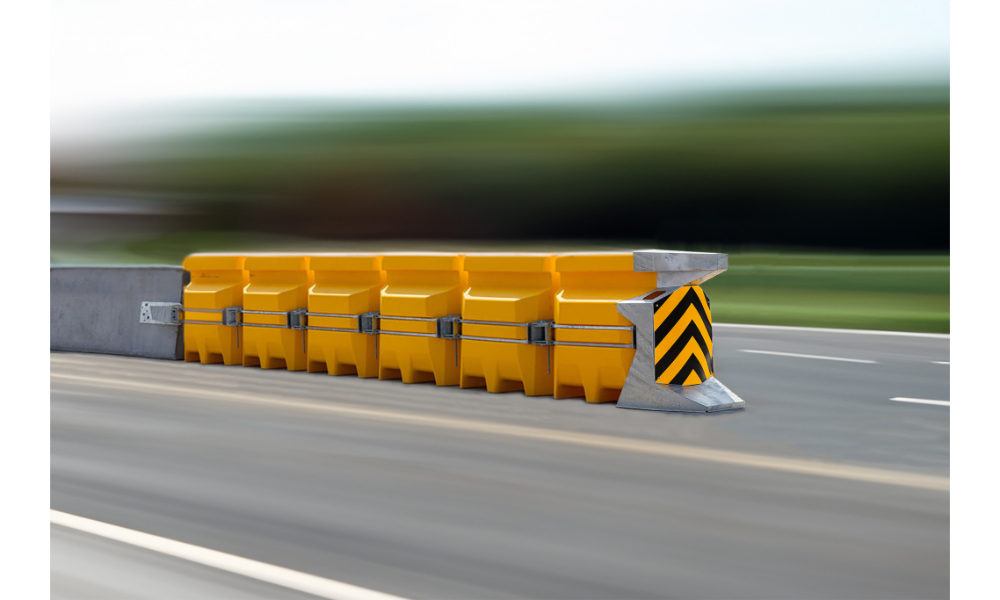
A crash cushion is a safety device installed on highways or roads to protect vehicles and their occupants in the event of a collision. These devices are typically placed in front of fixed objects such as barriers, bridge piers, or signs, which could cause severe injuries if hit directly. Crash cushions are designed to absorb the energy of an impact, reducing the force experienced by the vehicle and passengers. They can be made from different materials, including metal, plastic, or specially designed foam, depending on the type of protection needed.
How Crash Cushions Work
Crash cushions work by slowing down the vehicle gradually during a collision. When a car or truck hits the cushion, the device deforms or collapses in a controlled manner, absorbing the kinetic energy of the vehicle. This process reduces the sudden deceleration that often causes serious injuries. Some crash cushions are reusable after minor impacts, while others are designed to be replaced after a collision. By providing a controlled area for the vehicle to decelerate, crash cushions prevent more severe crashes with rigid objects that could result in fatalities.
Benefits for Highway Safety
Crash cushions play a crucial role in improving highway safety. They reduce the severity of accidents by minimizing the impact forces on vehicles and passengers. This protection is especially important in high-speed areas where collisions with roadside structures can be deadly. Additionally, crash cushions help prevent secondary accidents. By containing the vehicle’s movement and keeping it within a safe path, they reduce the risk of cars veering into other lanes and causing multi-vehicle crashes.
Another benefit of crash cushions is that they protect not only drivers but also the infrastructure. Bridges, signposts, and barriers are expensive to repair or replace, and crash cushions help absorb the impact before these structures are damaged. This reduces repair costs and keeps roads safer and more functional after minor accidents.
Types of Crash Cushions
There are several types of crash cushions, each designed for specific situations. Some are permanent fixtures installed at high-risk locations such as highway medians, while others are temporary and used in work zones or areas with changing traffic patterns. Some crash cushions use water or sand to absorb energy, while others rely on mechanical systems that deform on impact. Engineers select the type based on traffic speed, vehicle size, and the nature of the roadside hazard.
Impact on Roadside Safety
By providing a controlled way for vehicles to decelerate during crashes, crash cushions significantly improve roadside safety. They reduce injuries and fatalities, prevent damage to infrastructure, and help maintain traffic flow after accidents. Road users can drive with more confidence knowing that high-risk areas have additional protection. The presence of crash cushions also encourages safer driving behavior as drivers are reminded of potential hazards.
Conclusion
Crash cushions are an essential component of modern road safety. By absorbing the force of collisions and protecting both drivers and roadside structures, they reduce the severity of accidents and save lives. Whether on highways, busy intersections, or near construction zones, crash cushions play a vital role in maintaining a safer driving environment. Their installation is a proactive measure that benefits everyone, ensuring that roads are not only functional but also as safe as possible.