

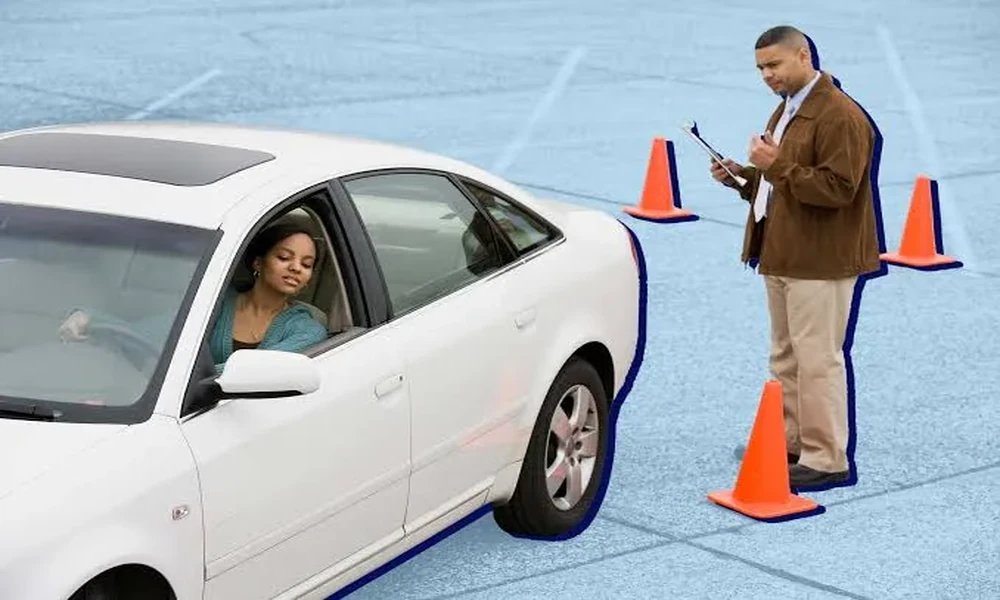
The first day on the road is exciting for a teenager and nerve-racking for the parent sitting beside them. Preparation makes that moment calmer, safer, and more productive. Before the car even leaves the driveway, families can build knowledge, set expectations, and organize the paperwork Connecticut requires. A little planning at home helps your teen arrive at the first lesson focused instead of overwhelmed. This guide walks parents through the practical steps that matter most, from understanding licensing rules to modeling good habits, so your new driver starts with confidence and a foundation.
Understand Connecticut’s Licensing Steps
Parents who understand the licensing path can guide their teen without confusion. In Connecticut, a 16 or 17-year-old must first earn a learner’s permit, then hold it for 180 days before taking the road test. During that time, the teen must complete classroom instruction and log supervised practice hours. Reviewing these requirements together prevents missed deadlines and wasted trips to the DMV. Write down each milestone on a calendar, note the documents needed for every appointment, and decide who will handle bookings. Clear expectations at the start make the whole process feel manageable.
Choose the Right Course Before Lessons Begin
Selecting a quality driving course for teens is one of the most important decisions a family makes. Connecticut requires an eight-hour safe driving class covering alcohol, drugs, and responsible decision-making, and many schools offer it online in English or Spanish. Look for DMV approval, clear schedules, and instructors who explain material in a way teenagers actually absorb. Enrolling early also gives your teen time to finish the class before the road test. Ask the school about parent sessions too, since staying informed helps you reinforce lessons at home.
Study the Driver’s Manual Together
Before any lesson begins, encourage your teen to read the Connecticut Driver’s Manual and review it with you. Studying together turns a dull task into a conversation about signs, right-of-way, speed limits, and parking rules. Quiz each other at dinner or during short rides. The knowledge test requires twenty correct answers out of twenty-five, so steady review matters. Audio versions of the manual can help students who learn by listening. When your teen understands the rules, instructors can spend lesson time building skills instead of explaining basics.
Organize Documents and Paperwork Early
Missing paperwork is a common reason DMV visits get delayed. Gather a certified birth certificate or passport, a secondary identification document, and two proofs of address well before the appointment. Minors also need a parent present to sign, or a notarized form along with a copy of the parent’s license. Keep everything in one folder and check each item against the DMV’s current list. Remember glasses or contacts if your teen wears them. Being organized shows your teen that responsibility starts before getting behind the wheel.
Book Lessons With a Certified Instructor
Professional teens driving lessons give new drivers structured practice that casual parking-lot sessions cannot match. Certified instructors use dual-control vehicles, correct mistakes in real time, and teach habits like mirror checks, smooth braking, and safe lane changes. Many students feel calmer with a neutral instructor than with a parent in the passenger seat. Start with a single two-hour lesson to see how your teen responds, then add more as confidence grows. Bilingual instruction can also help families who prefer lessons in Spanish. Ask whether the school offers simulator practice for nervous beginners.
Model Safe Habits and Set Family Rules
Teenagers learn by watching, so your own driving habits teach more than any lecture. Wear your seatbelt, stay off your phone, obey speed limits, and stay calm in traffic whenever your teen is riding along. Then create a written family agreement covering curfews, passengers, and phone use, which Connecticut’s teen driving laws already restrict. Discuss consequences calmly and before problems arise. When expectations are clear and parents lead by example, teens are more likely to take driving seriously and respect the responsibility that comes with a license.
Conclusion
Preparing a new teen driver takes patience, planning, and teamwork, but the effort pays off every time your teen safely backs out of the driveway. By learning the licensing steps, choosing quality instruction, studying the manual, organizing paperwork, and modeling responsible habits, parents set the stage for success. If you want a trusted local partner, a1-driving.com offers DMV-approved instruction for Connecticut families. Start early, stay involved, and celebrate each milestone together. With the right preparation, the first day on the road becomes the beginning of a lifetime of safe driving.